Install New Asphalt That Drains and Lasts
Asphalt paving services in Greeley, Eaton and Northern CO areas.
Including layovers and full removal with hot asphalt replacement for driveways and parking areas.
You are looking at a driveway that cracks every winter or a parking lot where water pools along the edges after every storm. Paving either lays a new asphalt surface over the existing base or removes the old material entirely and replaces it with hot mix that compacts into a smooth, flexible mat. The choice depends on how much the current pavement has deteriorated and whether the base beneath it still drains and supports weight.
Asphalt Pro Maintenance LLC handles both layovers and full replacements for residential driveways and commercial parking areas across Greeley, Eaton and Northern CO areas. A layover adds thickness and resets the surface grade without excavation, while full removal strips out failing asphalt, reworks the base if needed, and installs fresh hot mix in lifts. Either approach gives you a black, smooth surface that sheds water and flexes with freeze-thaw cycles instead of splitting apart.
Request a free estimate for your property in Greeley, Eaton or Northern CO and find out whether a layover or full replacement makes more sense for your budget and the condition of the existing pavement.
How Hot Asphalt Gets Laid and Compacted
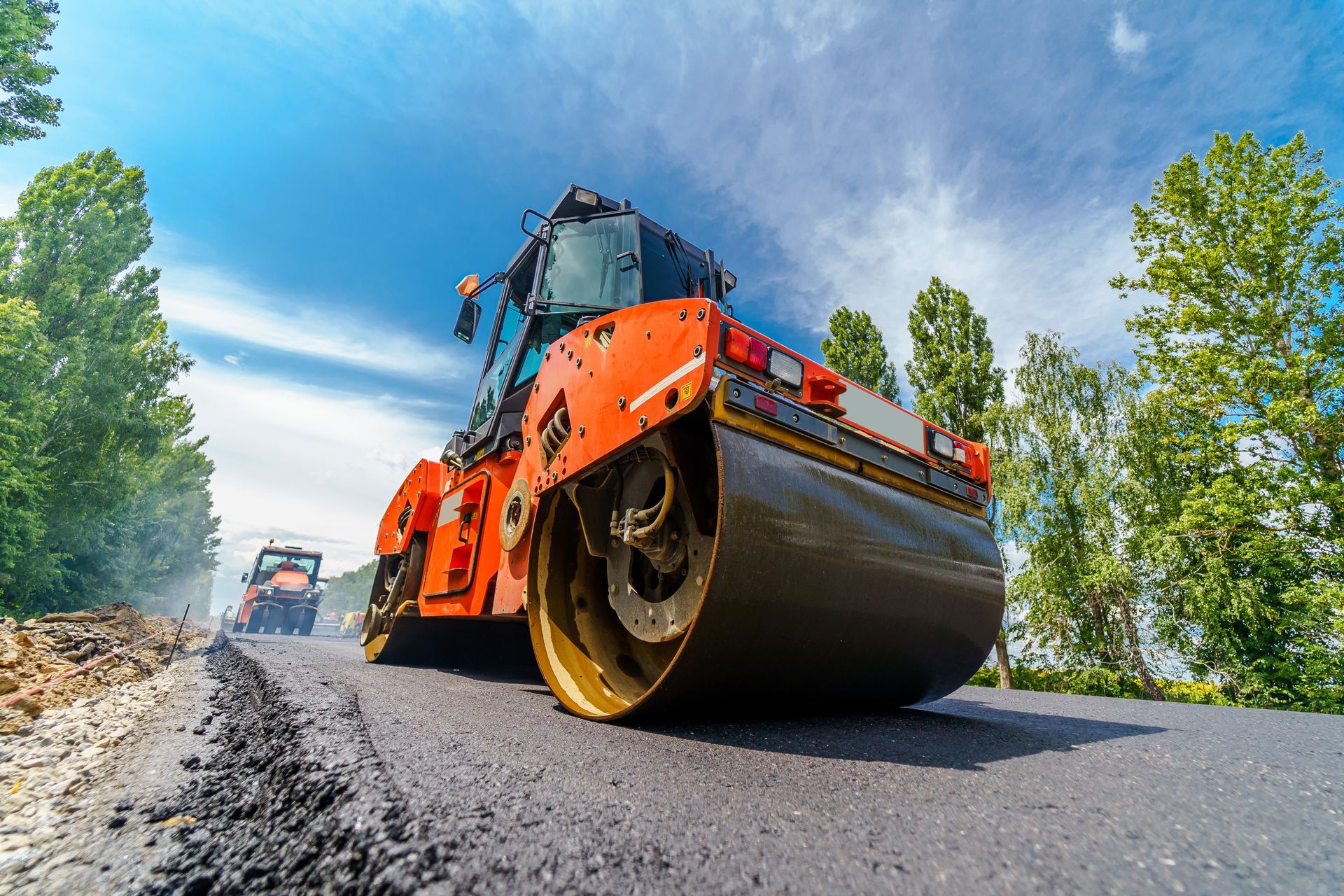
The paving crew arrives at your site in Greeley, Eaton or Northern CO with a truck of hot mix and a compact roller. For a layover, they clean the existing surface, apply tack coat so the new layer bonds, and spread the hot asphalt to the planned thickness. For a full replacement, they saw-cut the perimeter, excavate the old pavement, grade and compact the base, then lay the new asphalt in one or two lifts depending on total thickness.
After the asphalt cools and the roller makes its final passes, you will notice the driveway sits level with garage aprons and sidewalks, water runs toward the street instead of pooling near the foundation, and the surface feels firm under your tires without the sponginess that signals voids underneath. The black finish darkens further over the first few days as residual oils migrate to the surface, and tire marks become less visible once traffic has burnished the top layer.
Paving works best when temperatures stay above fifty degrees so the asphalt remains workable during compaction. The crew avoids scheduling during rainy periods because moisture trapped under hot mix can cause steam pockets and weak spots. Edges get hand-tamped where the roller cannot reach, and joints between new and old pavement receive extra compaction to prevent separation.
What to Ask Before the Paving Starts
Property owners in Greeley, Eaton and Northern CO areas usually want to know how thick the new asphalt will be, how long before they can park on it, and whether the crew will adjust grades to fix drainage problems..
What thickness of asphalt do you recommend for a residential driveway?
Most residential driveways in Loveland receive two to three inches of compacted hot mix over a stable base. If you are doing a layover, the new layer adds one and a half to two inches, bringing the total thickness up without excessive buildup at edges.
How long before I can drive on new asphalt?
You can drive on the pavement as soon as it cools enough to resist tire scuffing, usually within twenty-four hours during moderate weather. Heavy vehicles and sharp turns should wait forty-eight hours to avoid marking the surface.
When does a layover work instead of full replacement?
A layover works when the existing asphalt has surface cracks but no major base failure, alligator cracking, or deep rutting. Asphalt Pro Maintenance LLC inspects the base with a probe to check for voids before recommending a layover.
Why does new asphalt sometimes look uneven after installation?
Minor surface variations reflect the contour of the base beneath the new layer. If the base was graded properly, those variations are intentional to direct water off the pavement. Serious dips or humps indicate compaction or grading issues that the crew should address before the asphalt cools.
What happens at the edges where new asphalt meets grass or gravel?
The crew compacts the edges with a hand tamper and may install a temporary soil berm to support the perimeter until you add landscaping or a concrete border. Without edge support, the asphalt can crumble under wheel loads over time.
Asphalt Pro Maintenance LLC offers free estimates for paving projects throughout Greeley, Eaton and Northern CO, measuring the area, checking base conditions, and explaining whether your site needs a layover or full removal and replacement. Contact the team to schedule a site visit and receive a written quote that includes thickness, materials, and grading adjustments.